Health & Safety Policy for Garden Clearance Finsbury Park
Purpose: This policy sets out how our garden clearance and tidy-up operations are managed to protect staff, contractors, residents and the public. It applies to all garden waste removal, shrub and hedge clearing, green waste collection and related grounds maintenance activities undertaken by the rubbish removal and garden clearance team operating in the service area.

Scope and commitments
We commit to a consistent approach to safety across every site. Our aims include preventing injury and illness, minimising environmental harm from garden waste, and ensuring that all bulky and green waste is handled in a controlled, compliant manner. The organisation will assess, plan and review risks, maintain equipment and provide suitable training and protective equipment.
Responsibilities and roles
Managers are responsible for risk assessment, resource allocation and oversight of rubbish company operations in the service area. Supervisors must ensure safe systems of work are implemented on each clearance, while operatives are responsible for following procedures and reporting hazards. Everyone has the right and responsibility to stop work where there is immediate danger.
Key duties include:
- Carrying out pre-job site checks and dynamic risk assessments
- Using appropriate PPE and equipment correctly
- Segregating waste streams for safe disposal and recycling
Training and competence: All staff receive induction training, task-specific briefings and refresher sessions. Records of training and competency checks are maintained centrally. Contractors engaged for green waste removal must demonstrate equivalent standards before commencing work.
Risk assessment and safe systems
Risk assessments identify hazards such as manual handling, sharp tools, vehicle movements, electrical equipment, and hazardous plant. Control measures include exclusion zones, tool checks, clear signage and traffic management where necessary. Risk controls are documented and communicated to the team before any clearance begins.

Site safety measures include clear walkways, safe stacking of arisings, and the use of mechanical lifting aids when feasible. Temporary barriers and cones are used to protect the public from work areas during bulky garden waste removal. Weather and ground conditions are considered when planning work to reduce slips, trips and falls.
Personal protective equipment (PPE): Required PPE may include gloves, safety boots, eye protection, hi-vis clothing and hearing protection. Staff must inspect PPE prior to use and report defective items. PPE is part of a hierarchy of controls and does not replace safe systems of work.
Equipment, vehicles and maintenance are critical to safe garden tidy-up operations. All tools and plant undergo pre-use checks, scheduled servicing and prompt repair. Vehicles used for green waste collection are fitted with appropriate restraints and cover systems to prevent spillages and reduce environmental risks during transit.
Manual handling and ergonomics: Tasks such as lifting turf, moving compost bags or loading trailers carry manual handling risks. Operatives are trained in correct lifting techniques, team lifts are used for heavy or awkward items, and mechanical aids are provided for repetitive loading tasks.
Hazardous materials: Certain garden waste may contain hazardous elements (e.g., contaminated soil, asbestos in old structures). Suspected hazardous materials will stop work immediately; items will be isolated and specialist disposal procedures followed. We prioritise safe identification and segregation before referral to licensed waste carriers.
Emergency procedures are in place for injuries, fires, fuel spills and serious incidents. First aid kits and trained first aiders are present on site. Where required, an emergency plan describes evacuation routes, communication steps and reporting lines. Incidents are recorded, investigated and used to improve safe systems of work.

Monitoring, inspection and audit: Regular site inspections and vehicle checks ensure ongoing compliance with this policy. Near-miss and incident data are analysed to identify trends and implement corrective actions. Performance indicators cover lost-time incidents, training uptakes and equipment availability.
Waste handling and environmental controls
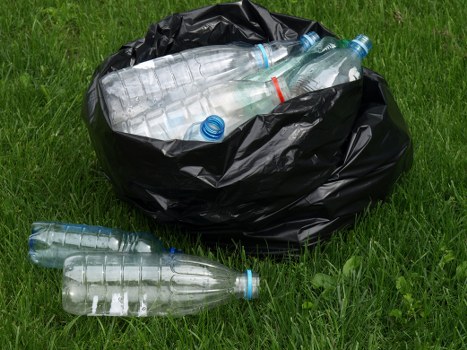
Garden rubbish and green waste removal processes support recycling and resource recovery. Segregation of branches, soil, turf and general rubbish reduces cross-contamination and improves recycling rates. Waste carriers are authorised and documented to ensure that garden clearances are completed responsibly and sustainably within the operational service area.
Continuous improvement
We maintain an active programme of review to ensure the health and safety policy remains effective. Feedback from operatives, regular reviews of incidents and legislative changes inform updates. The organisation encourages a culture of safety leadership and open communication to maintain high standards across all garden clearance and rubbish collection activities.
Policy review: This document is reviewed at defined intervals and after any significant incident. Changes are communicated to all staff and contractors. The aim is to create a resilient, safe, and environmentally responsible garden clearance service that protects people and property while delivering efficient rubbish removal across the service area.
Conclusion: Commitment to these principles ensures that each garden clearance, tidy-up and green waste removal operation is planned and executed with the highest regard for safety and environmental stewardship. All team members are expected to understand, adopt and uphold this policy in every task they perform.